Saturday, June 5, 2010

Squash Bugs

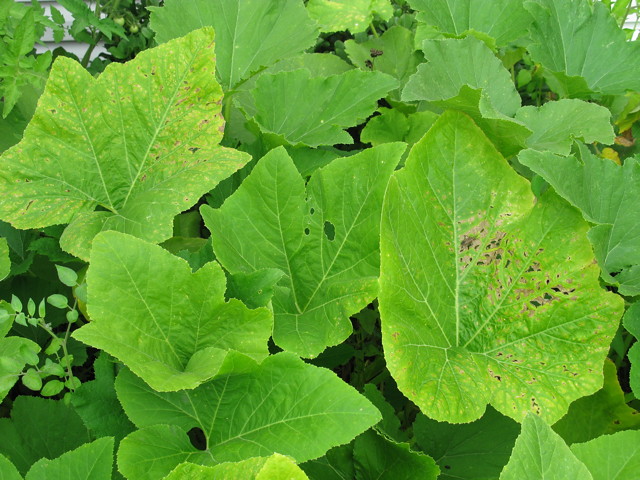
I posted pics of squash bug eggs a few days ago, promising a photo of the adults. This is what adult squash bugs do to squash leaves:

IMG_2486

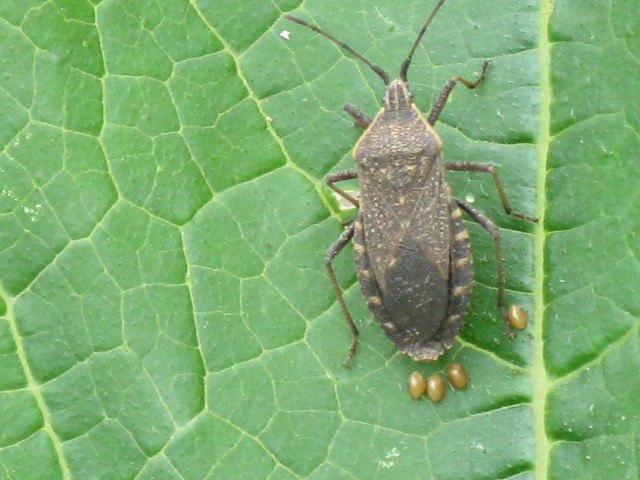
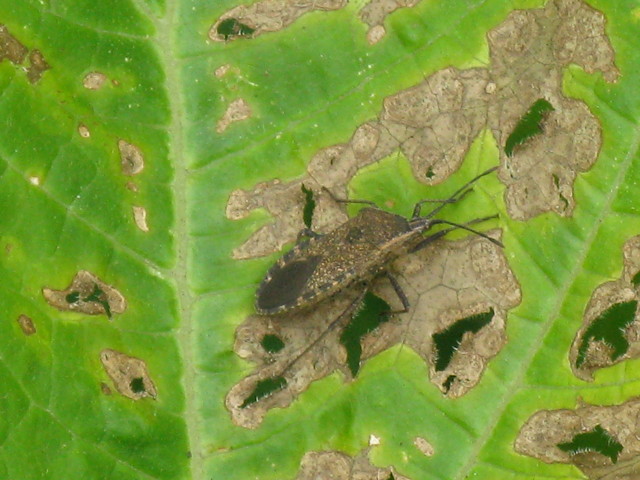
Here's one of the same leaves with an adult squash bug enjoying h/er lunch. They stick a proboscis of some sort into the leaves and suck the juices out, creating the unsightly splotches you see here. (This squash bug's lunch got rudely interrupted.)

IMG_2488

On a zucchini leaf I found this female beginning to lay down a group of eggs. (Alas, she wasn't allowed to finish.)

IMG_2506

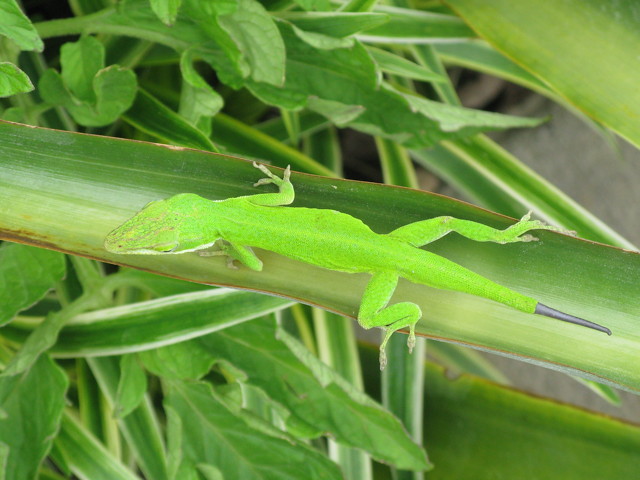
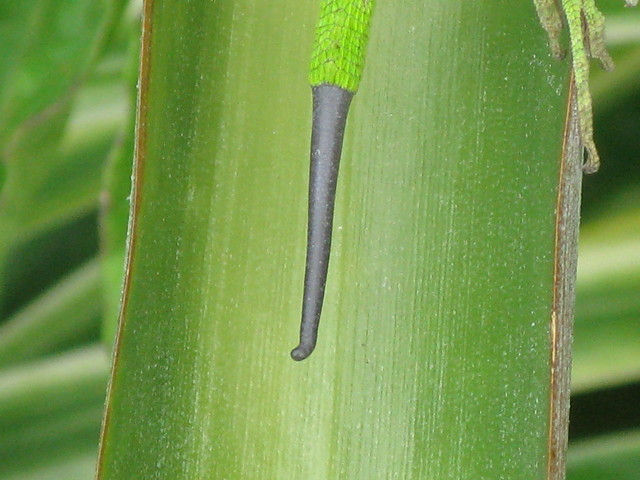
On another note, anybody know what's up with this lizard's tail? Did it get cut off and is now growing back? Or is this normal? I've never seen a lizard's tail that looks like this.

IMG_2491

IMG_2490

Friday, June 4, 2010

Aarrgghhhhh! Hallelujah!

Aarrgghhhhh:

For the last several months I've been fighting a battle in my house (kitchen and living room areas) with the little bugger on the left: the Indianmeal Moth, also known as the Pantry Moth or "Flour Moth" (they are about 1/4" long). Anyone who keeps grains (especially flours), nuts, or seeds in their kitchen in non-airtight containers has seen this tiny moth. They are attracted to those products as a food source. I've seen them off an on over the years—but they are slow flyers and can usually be dispatched on sight.

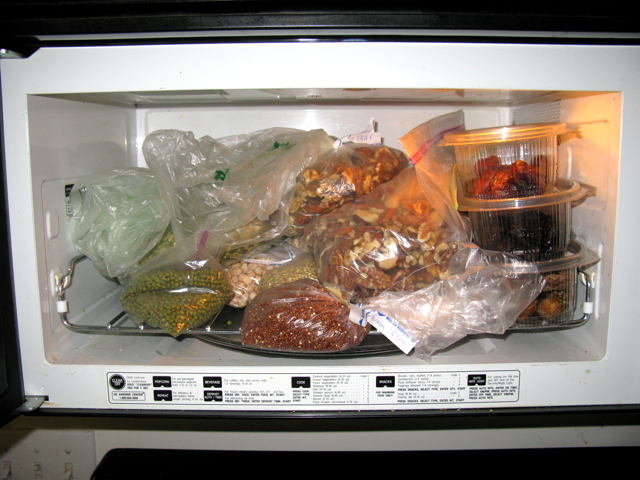
What I didn't know until recently is that these moths can chew through plastic storage bags (ZipLock, etc.) to get to a food source. I have a lot of dry bulk goods stored in glass containers with screw-on lids, and those have been safe. But stuff I move through quickly usually stays in plastic bags, even the thin bags in which bulk foods are purchased at the store, like this:

IMG_2438

Bad move.

For the last several months I've seen an inordinate number of these moths flying around but could not find the source or reason. And they were reproducing! I would find the tiny caterpillar/larvae inching up the wall to the juncture of the wall and ceiling where they create cocoons in the ceiling-wall right angle. I have killed scores of the flying moths and have had the vacuum cleaner sitting out for the last week in order to use the hose extension to grab moths, larvae, or cocoons off the ceiling or wall.

Hallelujah:

But this morning I found the source: a plastic, unsealed tub containing a dozen or so bags of sprouting seeds. The bags had holes chewed in them, the seeds were "a mess," there were moths and larvae and cocoon remnants—an entomological crime scene. So all that got thrown away, the sprouting containers thoroughly washed, and hope restored. There are no doubt a few moths remaining in hiding, but hopefully I've broken the cycle having destroyed their breeding ground.

On a hunch that the plastic bags might have been part of the problem, earlier this week I went to Ikea and bought a bunch of quart-size GLASS food storage containers. They don't have screw on lids, which I wanted, but the lids seem pretty tight. So I proceed with a new rule: no dry bulk items get stored in anything edible or permeable by Pantry Moths. If you see any of these little moths around, make sure all your dry, bulk foods are stored in tight containers. (I occasionally see these moths in the bulk section at Earthfare. I wouldn't be surprised if I'd brought some home with me. I'm sure they can get into the bulk containers at the store.)

Never a dull moment.

Wednesday, June 2, 2010

How to Celebrate the Resurrection

A few weeks ago, on April 4, 1,300 (mostly) young people in Budapest, Hungary—all members of amazing Faith Church in Budapest—celebrated the resurrection of Christ with this amazing choreographed dance in the middle of the city. Why do we, in the West, think so poorly of these formerly Eastern-bloc nations? I don't recall anything this vibrant and joyful happening in America this past Easter (or maybe it didn't get reported in our media):

Growing Things

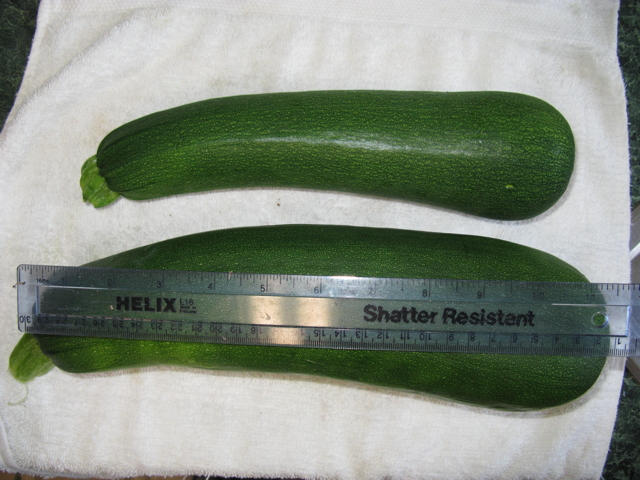
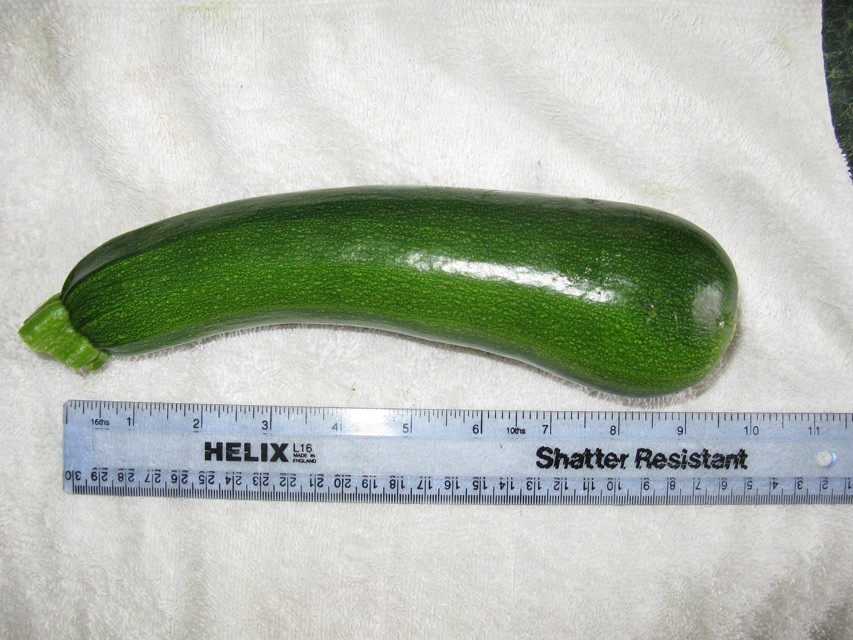
This is what happens when you don't check the zucchini plants the day after a heavy rain (that's a 12" ruler!). Zucchini get bland with tough seeds at this size—not much fun to eat. So I hope to make zucchini bread out of these:

IMG_2470

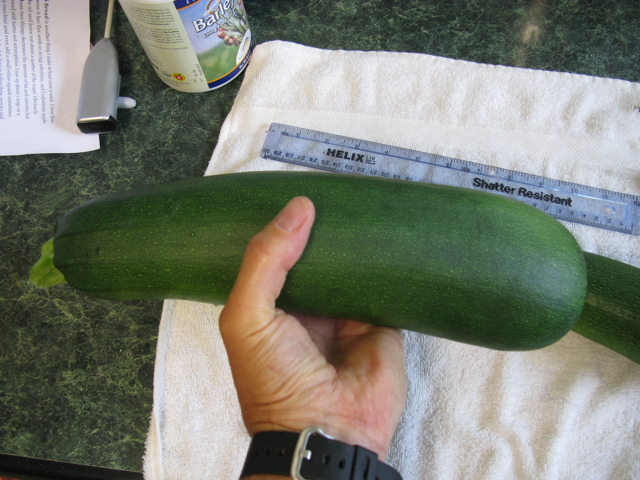
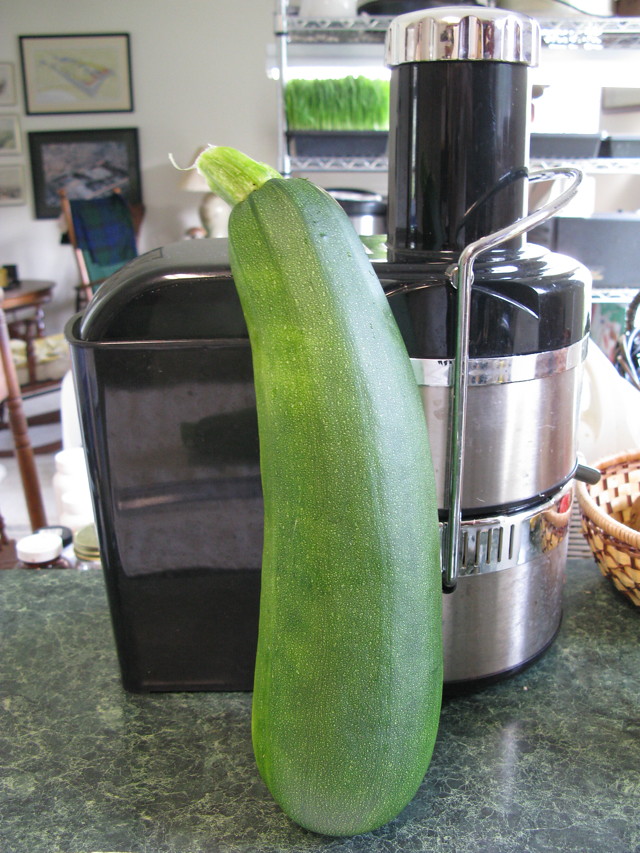
Two more pics for scale:

IMG_2472

IMG_2473

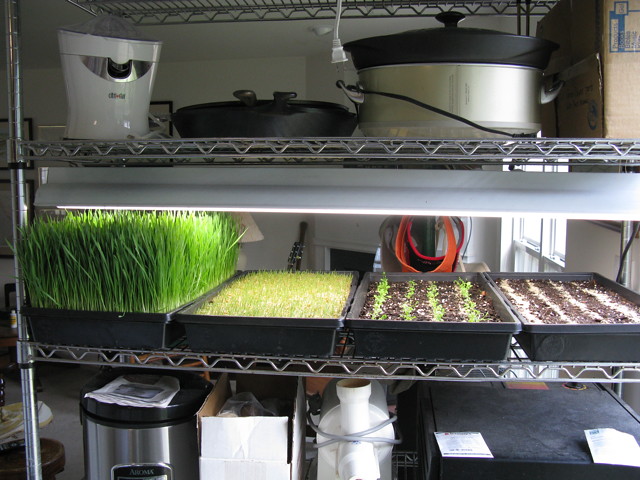
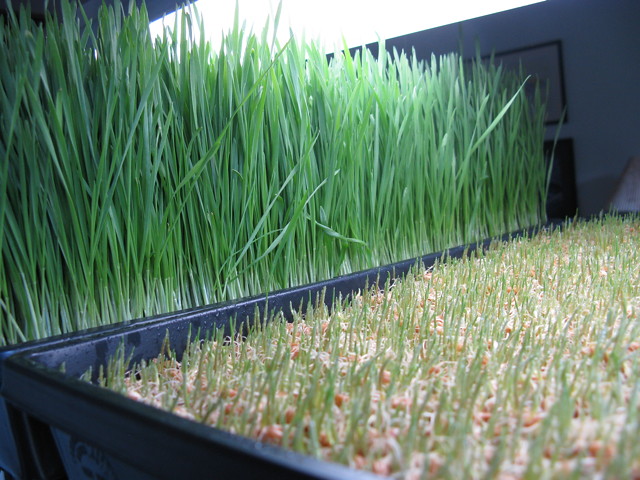
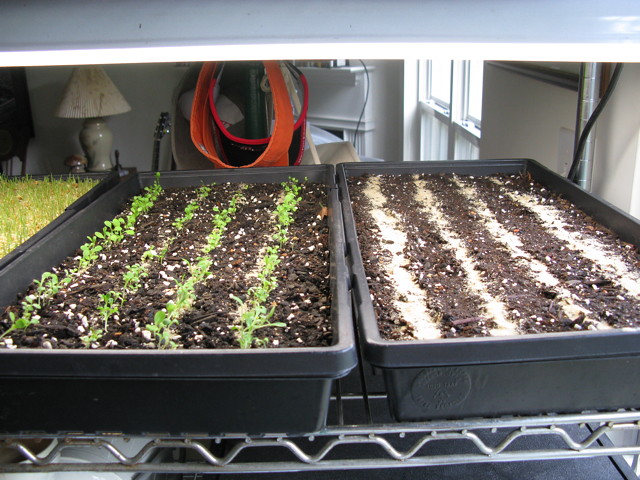
I enjoy the presence of green things growing in the house. L. to R. . . .

finished wheatgrass

inch-high wheat grass

germinated mesclun mix (from Johnny's Selected Seeds, contains the following lettuces: tango, red salad bowl, parris island, royal oak, dark lollo rossa, deer tongue, sweet valentine, and firecracker)

new tray of just planted mesclun mix (from Cook's Garden, contains chervil, endive, selvatica arugula, lolla rossa lettuce, royal oak leaf lettuce, red salad bowl lettuce, frisee galia arugula, deer tongue lettuce, rocket arugula, slaad bowl lettuce, black seeded simpson lettuce)

The germinated mesclun needs to be thinned, but I'll probably let it grow as-is to experiment. I made 1/4" deep trenches in the soil with a knife blade, dropped in the seeds, covered the trenches with sand, then misted with a sprayer until they germinated.

IMG_2476

Close-ups:

IMG_2479

IMG_2477

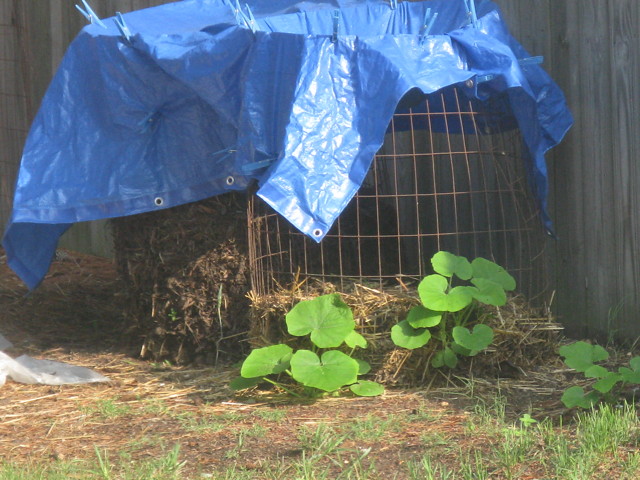
What happens when you don't turn the compost often enough. I'm not sure what these plants are yet:

IMG_2482

Monday, May 31, 2010

The Importance of the Table

I have been ruminating on some thoughts in the following quote but haven't had time to create a lengthy comment, so I'm just going to post the quote. The subject is the food movement in the United States, from a recent article by Michael Pollan, "The Food Movement, Rising." I commented on one aspect of the article earlier; this part of his article deals with a different topic: the disappearance of certain values that are inherent in the family/communal meal as a result of said meal losing its place in the culture. I was especially struck by some of his quotes from a new book by Janet Flammang, The Taste for Civilization: Food, Politics, and Civil Society (I have just begun to read Flammang's book; more on it soon). I have put in bold/green a few of Pollan's and Flammang's thoughts that caught my attention: (note: Pollan's reference to "bowling alone" refers to the 2001 best-seller by Robert Putnam, Bowling Alone: The Collapse and Revival of American Community)

But the movement’s interest in such seemingly mundane matters as taste and the other textures of everyday life is also one of its great strengths. Part of the movement’s critique of industrial food is that, with the rise of fast food and the collapse of everyday cooking, it has damaged family life and community by undermining the institution of the shared meal. Sad as it may be to bowl alone, eating alone can be sadder still, not least because it is eroding the civility on which our political culture depends.

That is the argument made by Janet Flammang, a political scientist, in a provocative new book called The Taste for Civilization: Food, Politics, and Civil Society. “Significant social and political costs have resulted from fast food and convenience foods,” she writes, “grazing and snacking instead of sitting down for leisurely meals, watching television during mealtimes instead of conversing”—40 percent of Americans watch television during meals—”viewing food as fuel rather than sustenance, discarding family recipes and foodways, and denying that eating has social and political dimensions.” The cultural contradictions of capitalism—its tendency to undermine the stabilizing social forms it depends on—are on vivid display at the modern American dinner table.

In a challenge to second-wave feminists who urged women to get out of the kitchen, Flammang suggests that by denigrating “foodwork”—everything involved in putting meals on the family table—we have unthinkingly wrecked one of the nurseries of democracy: the family meal. It is at “the temporary democracy of the table” that children learn the art of conversation and acquire the habits of civility—sharing, listening, taking turns, navigating differences, arguing without offending—and it is these habits that are lost when we eat alone and on the run. “Civility is not needed when one is by oneself.”

These arguments resonated during the Senate debate over health care reform, when The New York Times reported that the private Senate dining room, where senators of both parties used to break bread together, stood empty. Flammang attributes some of the loss of civility in Washington to the aftermatch of the 1994 Republican Revolution, when Newt Gingrich, the new Speaker of the House, urged his freshman legislators not to move their families to Washington. Members now returned to their districts every weekend, sacrificing opportunities for socializing across party lines and, in the process, the “reservoirs of good will replenished at dinner parties.” It is much harder to vilify someone with whom you have shared a meal.

Flammang makes a convincing case for the centrality of food work and shared meals, much along the lines laid down by Carlo Petrini and Alice Waters, but with more historical perspective and theoretical rigor. A scholar of the women’s movement, she suggests that “American women are having second thoughts” about having left the kitchen. However, the answer is not for them simply to return to it, at least not alone, but rather “for everyone—men, women, and children—to go back to the kitchen, as in preindustrial days, and for the workplace to lessen its time demands on people.” Flammang points out that the historical priority of the American labor movement has been to fight for money, while the European labor movement has fought for time, which she suggests may have been the wiser choice.

At the very least this is a debate worth having, and it begins by taking food issues much more seriously than we have taken them. Flammang suggests that the invisibility of these issues until recently owes to the identification of food work with women and the (related) fact that eating, by its very nature, falls on the wrong side of the mind–body dualism. “Food is apprehended through the senses of touch, smell and taste,” she points out, which rank lower on the hierarchy of senses than sight and hearing, which are typically thought to give rise to knowledge. In most of philosophy, religion, and literature, food is associated with body, animal, female, and appetite—things civilized men have sought to overcome with reason and knowledge."
Sunday, May 30, 2010

Before Chemical Fertilizers

Several years ago I came across this picture in a "coffee table" book (from my parents' house) on the history of America. The picture covered a full spread in the book—two full pages. I was able to get the whole thing on my scanner to make a copy.

The picture had no accompanying text other than something like a "Farm Family." But here's what amazed me about the picture: Chemical fertilizers weren't introduced into American agriculture on a widespread basis until after World War II. Based on the dress and appearance of this family, I'm guessing this picture was taken before that era. Also, American topsoil was still relatively prevalent then, not having been destroyed by commercial farming and poor management practices in the post-War agriculture boom. That means this farmer probably plowed with a horse(s), used manure as fertilizer, and practiced traditional (= organic) farming techniques. I could be wrong—these are just assumptions based on the picture.

And look at the bounty! These vegetables are HUGE—especially the root crops (carrots, turnips, etc.). A huge head of cabbage on the left front corner of the table, huge eggplants (?) on the right front corner. I would imagine these vegetables are multiple times higher in nutrients than today's vegetables because of the soil they were grown in.

I may be romanticizing, but I question the amount of progress we've made in farming if a hardscrabble couple like this could produce these kinds of results. (Forgive me if this is a duplicate post. I searched my blog but couldn't find that I'd posted it previously.)

Giant Veggies

Yesteryear Garden

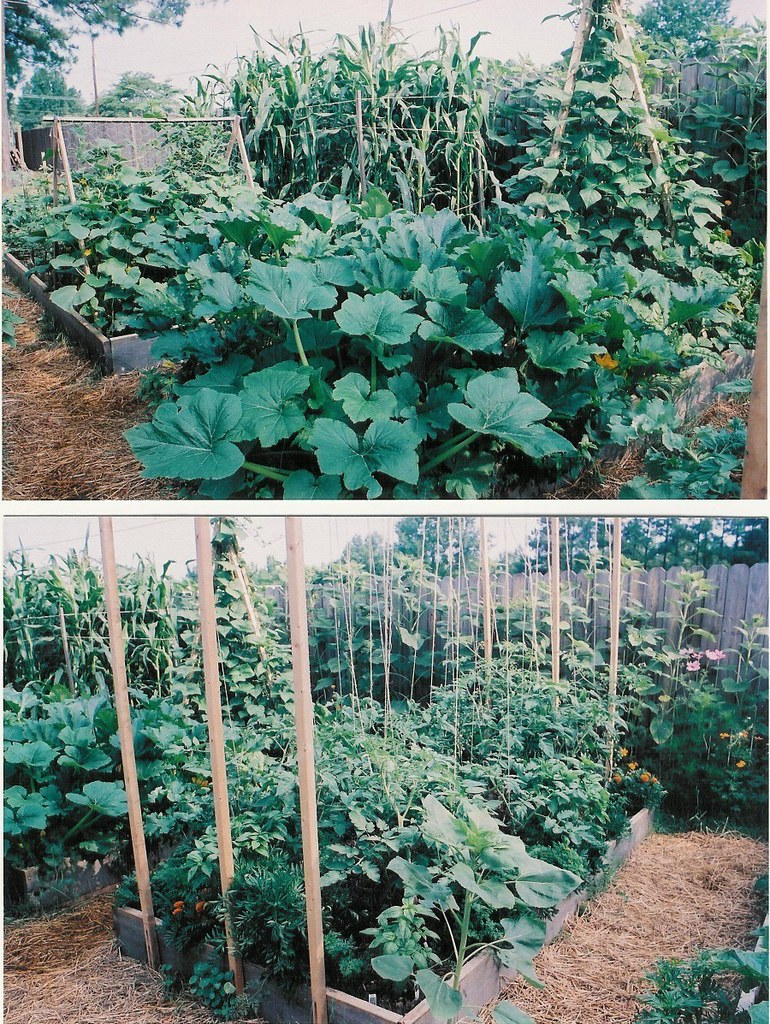
Came across these photos of my previous garden consisting of 8-9 large raised beds in the backyard. (Can't remember if I've posted this before.) This shows about half the beds. I deconstructed it all when I thought I was going to sell my house. I'm still here, sans garden. It was a nice place to hang out in the early mornings:

Garden

Saturday, May 29, 2010

Zucchini Pasta

I picked the first zucchini of the spring this morning:

IMG_2462

I decided to make some Raw Zucchini Pasta out of it using the Spiral Slicer appliance:


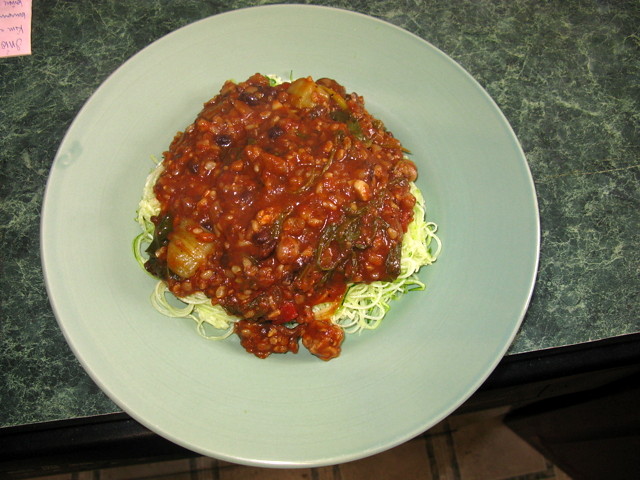
I cobbled together some veggie-heavy pasta sauce and voilà—Raw Zucchini Pasta. If the zuke has been in the refrigerator, the "pasta" will be cold. You can either leave the zuke on the counter for a while before shredding, or, the heated pasta sauce will warm it up. A nice Saturday lunch:

IMG_2467

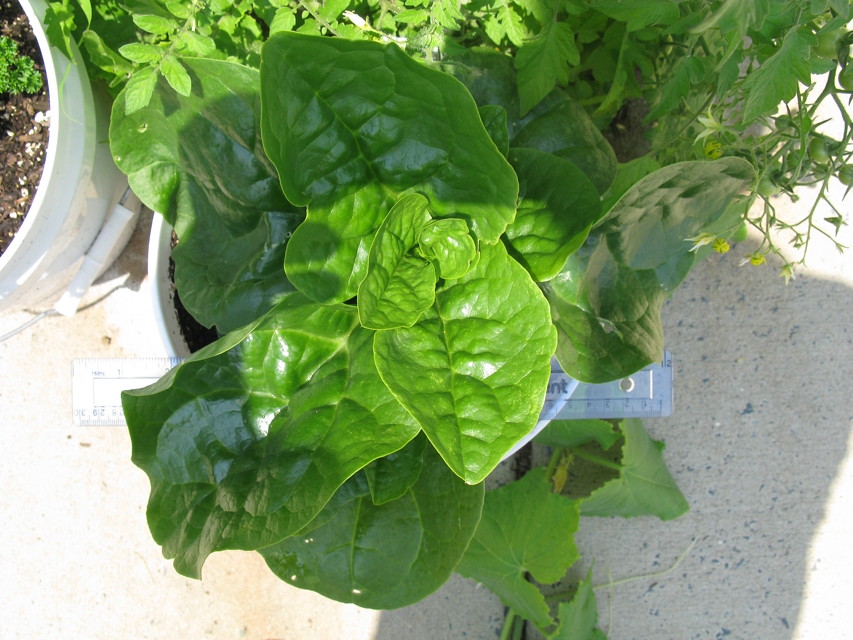
I had read recently about a plant called Malabar Spinach. I was curious about it, wondering if it had been developed at Louis Bromfield's Malabar Farm, but it wasn't. It's a native southeast Asia vining "spinach" bearing the name of the same region of India where Bromfield lived for a while, and for which he named his farm. Malabar spinach isn't really a spinach, and goes by lots of names in Asia. But the leaves can be used like spinach, raw or cooked. It's a vining plant, so I'll need to get it something to climb. Mary Roberts of Windcrest Farm had started some Malabar spinach seedlings this spring so I bought one a few weeks ago at the Matthews Farmers Market. It was just a tiny start when I bought it but it has grown well -- large, deep green leaves; high in several vitamins, fiber, and protein. I haven't tasted it yet but it looks delicious. You can read more about Malabar spinach here:

IMG_2461

Friday, May 28, 2010

How to Be Happy

Nobody can really be happy. You can have moments of happiness; moments of joy. But life is very difficult, unless you're a total idiot. Then you can be happy.
(Irvin Kershner, director of Star Wars: The Empire Strikes Back, as interviewed in the forthcoming movie The Nature of Existence)
There you have it—how to be happy: Be a total idiot.

Peggy Noonan Gets It—Finally

It's taken her a year and a half to see the light, but Peggy Noonan's eyes have opened to the pure incompetence of the Obama administration. She, one of the most eloquent of pundits (writes for the Wall Street Journal), was a Reagan speech writer and has a been a so-called Republican. But she warmed to Obama during the election. But no more. In today's column, she says Obama will not survive his administration's three consecutive missteps: healthcare, immigration, and the ongoing Gulf oil disaster. I hope she is right.

Speaking of incompetence, I heard a citizen remark during an interview recently (paraphrase), "If you think the government's been incompetent with one leaking oil well, just way until you see how incompetent they'll be trying to manage healthcare—one-sixth of the economy." I shudder to think.

Peggy Noonan's closing paragraph is a fair warning to Republicans, since every out-of-office party loves to see the current administration mess up, thinking they'll get it right when they retake the White House—and then they get hit with something just as bad and prove to be just as incompetent:
But Republicans should beware, and even mute their mischief. We're in the middle of an actual disaster. When they win back the presidency, they'll probably get the big California earthquake. And they'll probably blow it. Because, ironically enough, of a hard core of truth within their own philosophy: when you ask a government far away in Washington to handle everything, it will handle nothing well.

The Squash Bugs Are Coming!

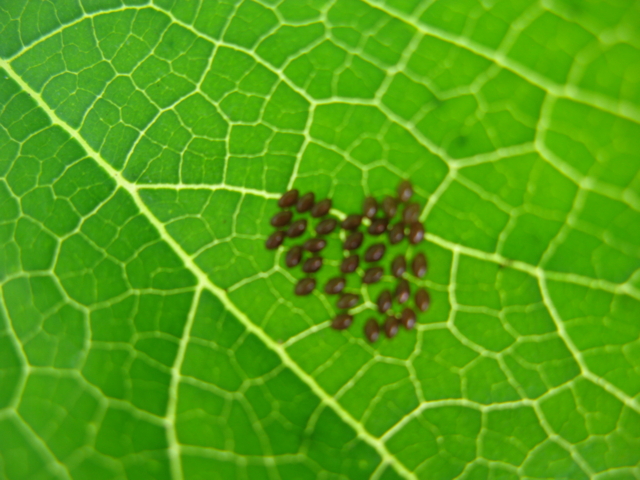
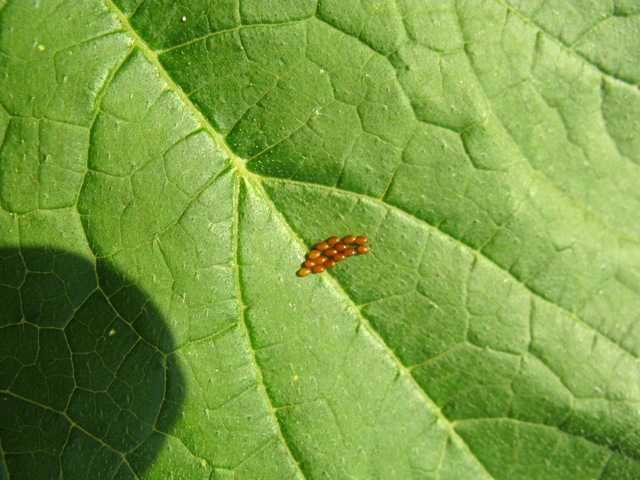
Everybody who raises squash dreads the arrival of two squash pests: the squash bug and the squash vine borer. Fortunately, the squash bug's egg clutches are easy to spot. While they are normally found on the underside of squash, zucchini, and melon leaves, these two clutches were sitting topside on two zucchini leaves. The eggs have to be removed with sticky tape or by just tearing off that portion of the leaf, and crushed. If not crushed, they'll hatch and create nymphs that will find their way back to the garden. I'll post a picture later this summer of adult squash bugs. The eggs indicate they're around, I just haven't seen them yet. The adults can be picked off and "dispatched."

Two clutches of squash bug eggs, the first one being a little fuzzy:

IMG_2452

IMG_2454

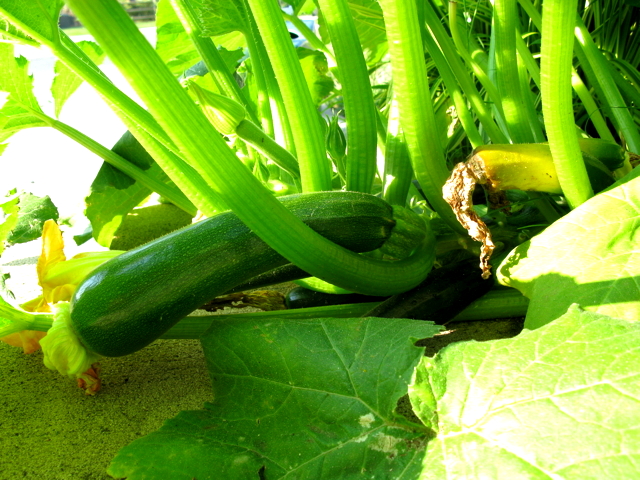
Nice zucchini. One of the best ways to eat raw zucchini is to make pasta out of it. I have a small, hand-powered appliance that shreds a zucchini into long strands just like spaghetti or pasta. Add your favorite pasta sauce and it makes a great mostly-raw dish. You can see to the right what happens to a zucchini or squash that doesn't get pollinated—dries up and will fall off:

IMG_2453

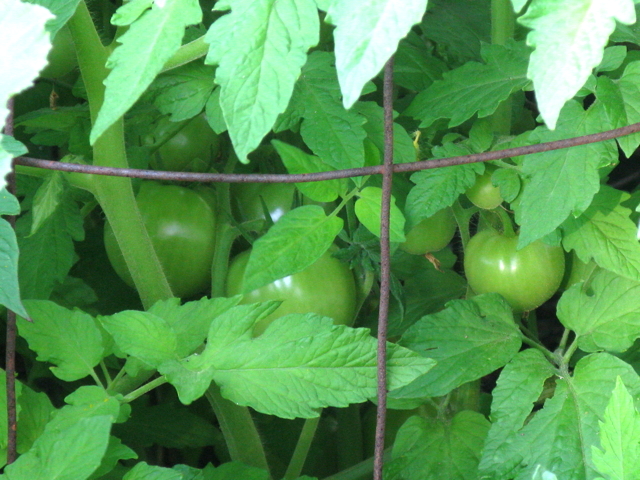
Tomatoes on the vine:

IMG_2456

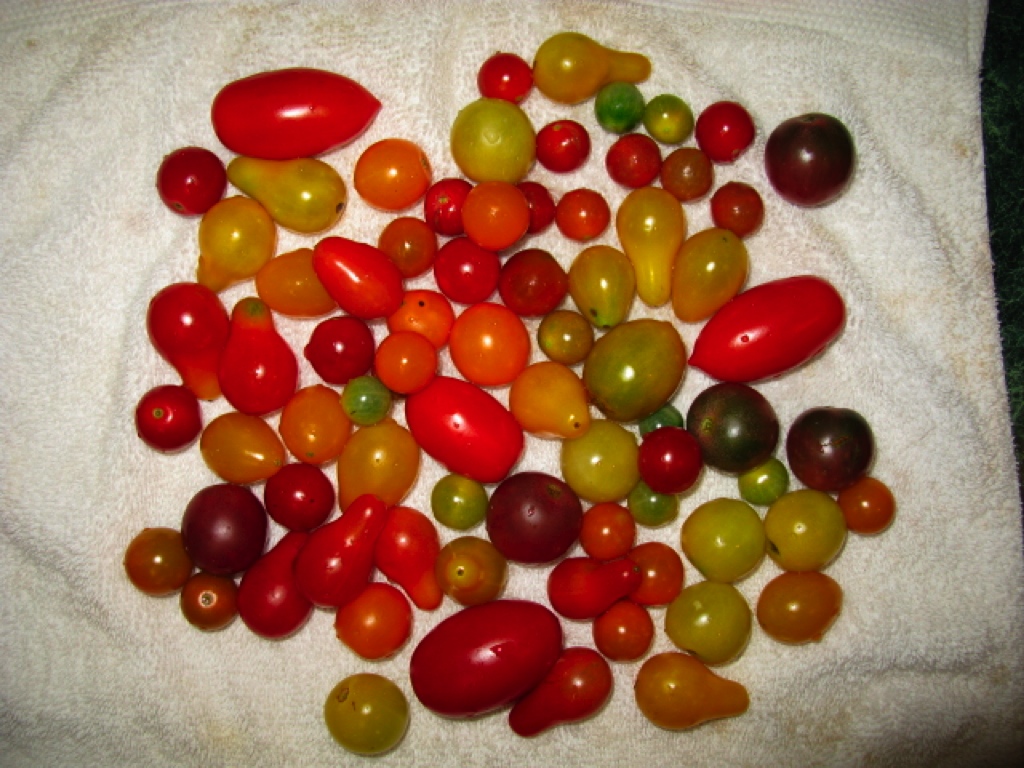
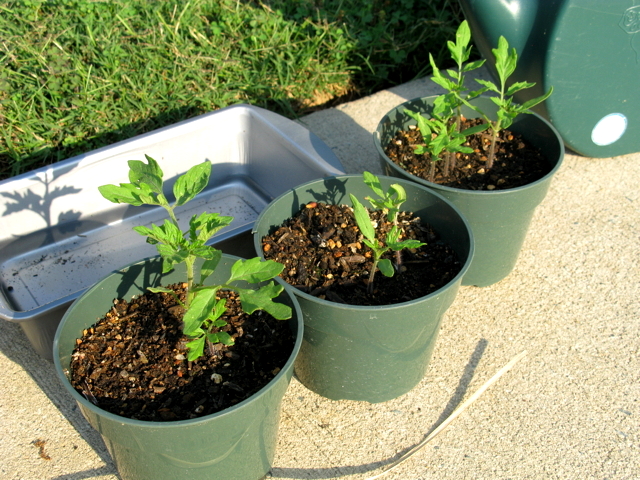
I'm babying these "Black Cherry" tomatoes along in hopes of a harvest. I learned about these tomatoes from New Town Farms in last year's CSA program—the best cherry tomatoes I've ever tasted! The Black Cherries are the large, dark maroon tomatoes in this picture from last year's CSA. So good that I tracked down the seeds and am going to try to grow some of my own. You can eat these like candy standing by the vine.

IMG_1639

The bread pan behind these Black Cherry seedling pots is filled halfway or so full of water, then set the green pots in the pan to allow them to wick up water from the bottom up instead of watering from top down. This helps prevent "damping off" disease from forming around the stalks of seedlings when the top layer of soil gets too wet. I'll move these starts into larger containers to grow—I have no more room in the ground.

IMG_2457

CSA Harvest #5, etc.

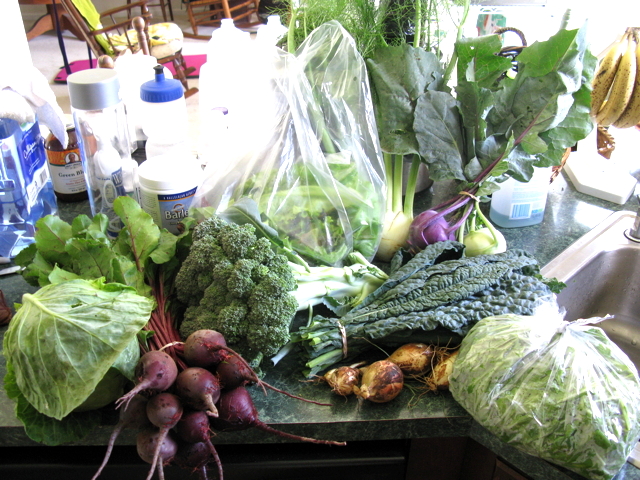
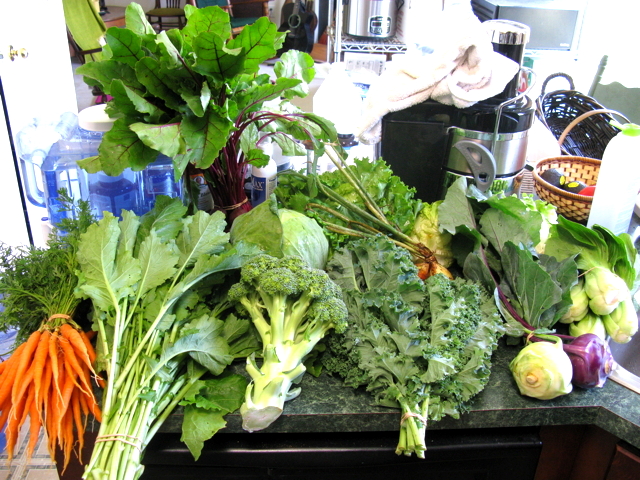
This week's CSA harvest, the fifth of the season: left to right, cabbage head, red beets and greens, HUGE broccoli head, bag of mesclun mix (mixed baby lettuce leaves), fennel bulb, two heads (red and green) of kohlrabi, lacinato kale, Waxahalia onions, and bag of arugula.

IMG_2450

Plus, some shots from the garden:

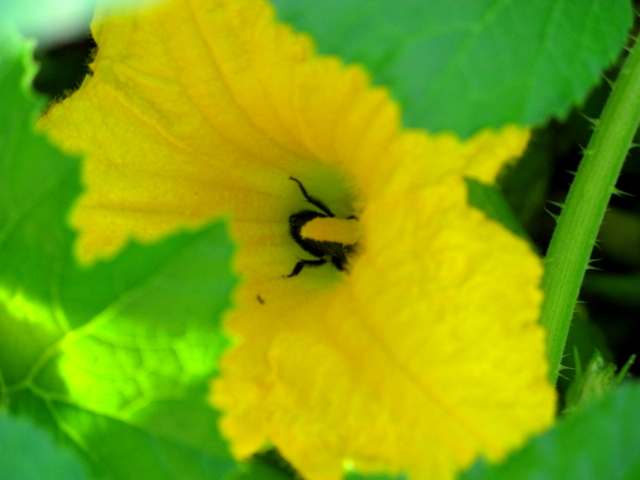
A carpenter bee bathing headfirst in the squash pollen:

IMG_2443

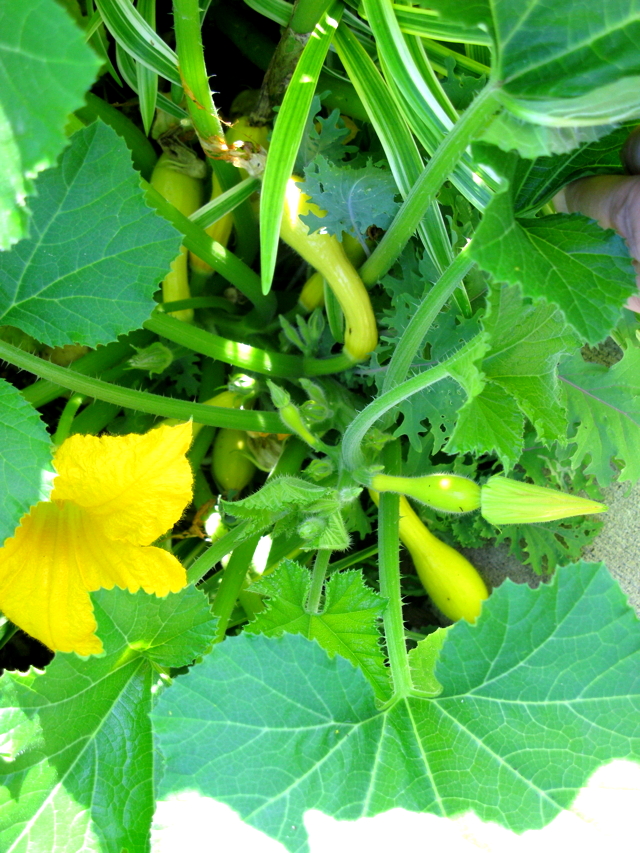
A gaggle of baby yellow squash:

IMG_2444

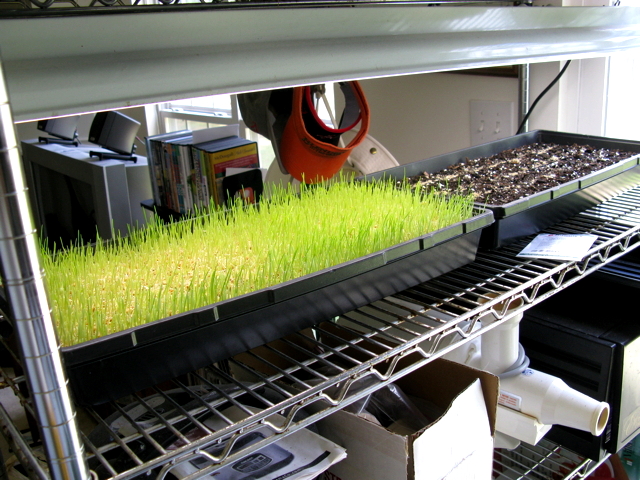
And the summer's first tray of wheatgrass. I keep my house so cool in the winter that the grass doesn't grow well. The second tray is an experiment: I've seeded a mesclun mix to see if I can begin raising trays of salad greens indoors in trays. It's been a few days and they haven't germinated yet, so not sure how well this will work.

IMG_2451

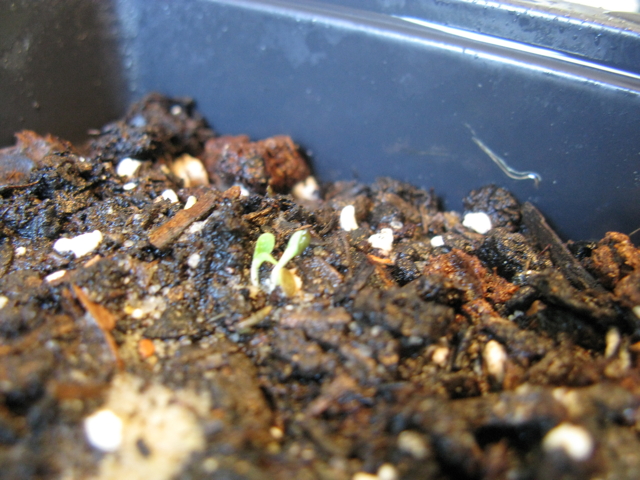
Update: Just noticed this morning the first lettuce seed germinating, so maybe this will work!

IMG_2460

CSA Harvest #4

Failed to post a pic of last week's CSA harvest: starting in the back, red beets and greens, Waxahalia onions, several heads of lettuce, baby bok choi, and on the front row, carrots, broccoli raab greens, broccoli head, cabbage head, curly kale, two heads (red and green) of kohlrabi. Awesome, as always.

IMG_2441

Thursday, May 27, 2010

"I Recommend You Panic"

A fascinating BBC (May 26) interview between a Columbia University economist (who has no skin in the financial game), a hedge fund manager (who has massive amounts of skin in the game), and a Financial Times writer who is surprisingly rational.

The economist: "Don't panic."
The hedge fund manager: "I recommend you panic."
The reporter: "Things look pretty bad."

It's a classic illustration of academic theory versus practical reality, in my view. I'm going with the hedge fund manager (I like his accent and his fire in the belly). (8 minutes long)

I Don't Want to Say "I Told You So," But . . .

For those of us who have been Mac users from the beginning (for me, since 1984—like the original Mac at left), and who resisted the siren song from the dark side in Redmond, Washington, yesterday was a day of sheer satisfaction. For the first time, Apple is now a more valuable company ($3 billion more) than Microsoft in terms of market cap (shares x share price). The only company larger than Apple in that regard is Exxon. Imagine—the company that once flew a black pirate flag over its secret Mac development outpost is now the second largest company in America!

That said, I'm really not an Apple fanatic, as are many. I don't own an iPhone, iPad, or even a Macbook/Pro. But I have been a loyal Mac user for so long that I can't imagine why everyone isn't. And it's nice to see more and more people valuing the creativity born out of Cupertino.

My posting has slowed down in recent days because of work commitments, but I couldn't let this go without notice.

Monday, May 24, 2010

Ten Things Monsanto Doesn't Want You to Know

Monsanto is the leading supplier of genetically modified organisms (GMO seeds) to world agriculture. They have ruined many small farmers with their lawsuits on "patent infringement" and have led the charge to patent seeds so that no one can plant that crop without buying their seeds. Monsanto is one of the worst things ever to happen to agriculture that seeks to be organic, sustainable, just, and equitable.

The Organic Consumers Association has put together a list of "10 Things Monsanto Doesn't Want You to Know." In leaflet form, the points are brief and a quick read, which is unfortunate since there is so much more evidence that could be provided on each point. And it doesn't include information that just surfaced in the press last week about laboratory tests on animal subjects that lost the ability by the fourth generation to reproduce after living on a diet of GMO foods.

Please read the brief leaflet for an overview on why Monsanto is bad for food and farming. If you are not eating organically-grown food, you are consuming vast amounts of GMO foodstuffs. Thanks to Monsanto's efforts to ban the labeling of foods in the U.S. that contain GMO products (which labeling is required in most other developed countries of the world), you have no idea what you're eating.

Friday, May 21, 2010

Overview of the Current "Food" Movement

One may not agree with all of Michael Pollan's positions re: "food," but few people have a grasp like his of the players and issues involved when it comes to the increasingly prominent subject of "food" in our culture. And as a long-time journalist and author, his pen is as skilled as his grasp is current and encyclopedic. His most recent summary is coming in the June 10 issue of The New York Times Review of Books, titled "The Food Movement, Rising." It can be read now here.

This is a helpful paragraph from his review, describing the dizzying array of permutations within the "food" movement:
Where many social movements tend to splinter as time goes on, breaking into various factions representing divergent concerns or tactics, the food movement starts out splintered. Among the many threads of advocacy that can be lumped together under that rubric we can include school lunch reform; the campaign for animal rights and welfare; the campaign against genetically modified crops; the rise of organic and locally produced food; efforts to combat obesity and type 2 diabetes; “food sovereignty” (the principle that nations should be allowed to decide their agricultural policies rather than submit to free trade regimes); farm bill reform; food safety regulation; farmland preservation; student organizing around food issues on campus; efforts to promote urban agriculture and ensure that communities have access to healthy food; initiatives to create gardens and cooking classes in schools; farm worker rights; nutrition labeling; feedlot pollution; and the various efforts to regulate food ingredients and marketing, especially to kids.
I am personally interested in "all the above," some more than others, but am most interested in a part of the movement that, shamefully, has no national presence—a biblical/Christian perspective on food and nutrition and their relationship to broader issues of creation-care and stewardship; a distinctly Christian perspective. Granted, at best "the church" gets short shrift from the culture whenever she speaks. Part of that dismissal is for spiritual reasons—nobody likes to be told they are accountable to God. But part of it is because the church doesn't speak practically or winsomely enough (if she speaks at all) to gain a hearing, which is the case regarding food, nutrition, etc.

I hope the day will come when Pollan's paragraph, re-summarized by future writers, will include recognition that the Christian church has a dog in this (food) fight (bad metaphor, admittedly). Whether that happens, of course, depends on whether followers of Jesus develop a kingdom perspective on these issues.

Wednesday, May 19, 2010

America's Economic Future (Collapse)

The National Inflation Association has produced a very current, 55-minute video on America's economic present and future. It features well-known economic conservatives like Marc Faber, Jim Rogers, and Ron Paul. It shows why the current spin coming out of Washington, that the Obama administration's stimulus plans have created a recovery, is an illusion. It clearly shows that America is bankrupt; that America will NEVER be able to pay off her debts (massively increased in the last two years by the administration's printing and borrowing of money, as well as the ongoing two wars); and how the only hope for reducing unpayable debt is the one governments have always used: inflation. That means the government will inflate the debt away by printing more paper dollars to pay the debt. The result for consumers will be massive inflation or hyper-inflation which will result in increased prices for everything, high interest rates, and a radical decline in American standards of living and well-being. In other words, things are bad now and are only going to get worse.

The average American will not take 55 minutes to watch this video (or seek out other sources of information) but will choose to believe sound bites coming out of Washington and from the main-stream media. But I strongly encourage you to invest an hour in your, and your children's, future. The jettisoning of at least four incumbent politicians in yesterday's primaries is a good sign, but I fear that the point made in the video is true: today, there is NO difference between Republicans and Democrats. It was a Republican administration (and the Federal Reserve), prior to the current one, that set in motion the sub-prime crisis, two wars we cannot afford, etc. So even if Democrats are ousted by Republicans in November, that is no guarantee of a solution. The Tea Party Movement shows that lots of people are waking up to the nightmare of the last two years—the sea change in government policies that are counter to historic American values. So perhaps there is some hope that things WON'T GET WORSE than they will be in the immediate future. Even Republicans can do nothing about America's debt, so regardless of who is in Washington, citizens have to take responsibility for their own futures.

This video is a good primer. You may not agree with every opinion stated, but I found 98 percent of it to be sober and calm—just the facts:

ANDI Scores

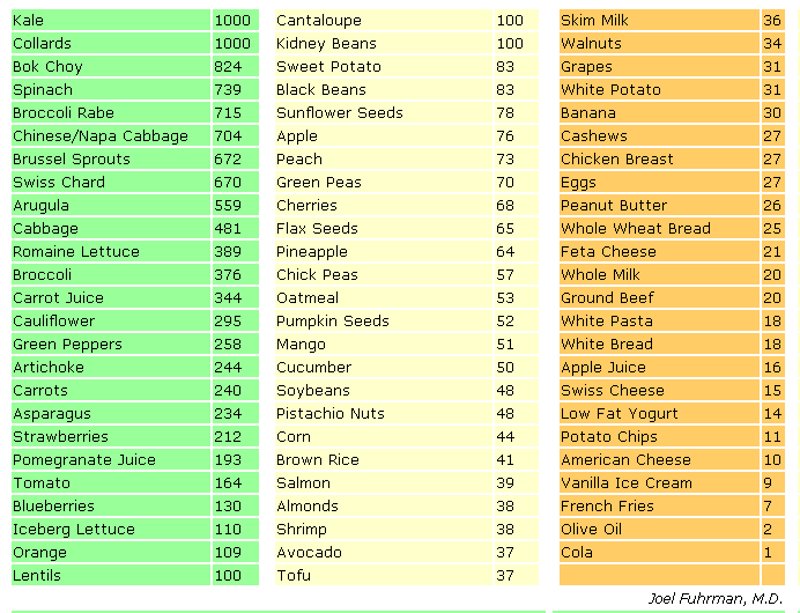
Dr. Joel Fuhrman's ANDI list is becoming well-known, ANDI standing for "Aggregate Nutrient Density Index"—a way of measuring the nutrients-per-calorie of foods. Wholefoods Markets are publishing the ANDI list throughout their stores in an attempt to help shoppers become "Nutritarians" (Dr. Fuhrman's term)—people who choose and eat foods with the highest nutrient density possible. Of course, plants dominate the ANDI scores, resulting in a nutritarian diet being a plant-based diet. The opposite ends of the scale are bracketed by kale and collards at 1000 and cola at 1.

You can read more about the ANDI scores at Dr. Fuhrman's web site here, about Wholefoods' use of the ANDI scores in their stores here (scroll down for an additional link), and view the basic ANDI chart below:

ANDI sample scores

Beware the North Carolina Strawberry Glut

I have read several times in the last couple weeks about an anomaly in the North Carolina (and other areas as well) summer strawberry harvest. Unusual weather patterns have caused strawberry production to be sudden, large, and not anticipated to be ongoing. That is, all the summer berries are going to come in at once resulting in abundance and lower prices, especially at U-Pick-Um farms.

While I like strawberries as much as the next person, I never by conventional strawberries because they are so heavily sprayed with toxic pesticides. Strawberries, along with other soft-skin fruits like peaches, are consistently ranked at the top of the "Do Not Eat These Conventional Fruits" lists because of their high pesticide residues. Instead, eat organically-grown versions. None of our bodies suffer from chemical poison deficiencies that need to be remedied by eating petroleum-based chemical poisons. :-)

So while the summer strawberry glut is tempting, and baskets of berries are showing up at farmer's markets, I would definitely avoid those that are not organic. Last summer, whenever I found organic strawberries on sale at Earthfare or other local stores, I would buy extra and dump them into gallon Zip-Lock type bags and put them in the freezer to use in smoothies during the winter. I still have a couple gallons left. They can be a little mushy when defrosted, but since I use them only in smoothies (while frozen) that's not a problem.

The Environmental Working Group's list of the conventional foods to avoid because of heavy pesticide residues, along with the least contaminated (along with an iPhone App with the same information) can be found here.